- Home
- Information
- Treatment
Treatment, explained
Most people have some combination of surgery, chemotherapy, radiotherapy and hormone therapy. Here’s what each one is, why it might be used, and what to expect.
8 minute read
Surgery
Almost everyone with breast cancer has surgery, usually as the first step. The aim is to remove the cancer along with a small margin of healthy tissue around it.
- Lumpectomy (also called wide local excision) removes the lump and some surrounding tissue. The breast is kept. It’s usually followed by radiotherapy.
- Mastectomy removes the whole breast. It may be recommended if the tumour is large or in more than one place. You may be offered reconstruction.
- Lymph node surgery is usually a sentinel node biopsy, where one to three nearby lymph nodes are removed and tested. Sometimes more nodes need to be removed.
Recovery usually takes 2 to 6 weeks. You’ll have drains for a few days and you’ll be sore, but most people are back on their feet within a week or two.
Chemotherapy
Chemotherapy is drug treatment that travels around the whole body and kills cancer cells. Not everyone needs it; it depends on the type and stage of the cancer.
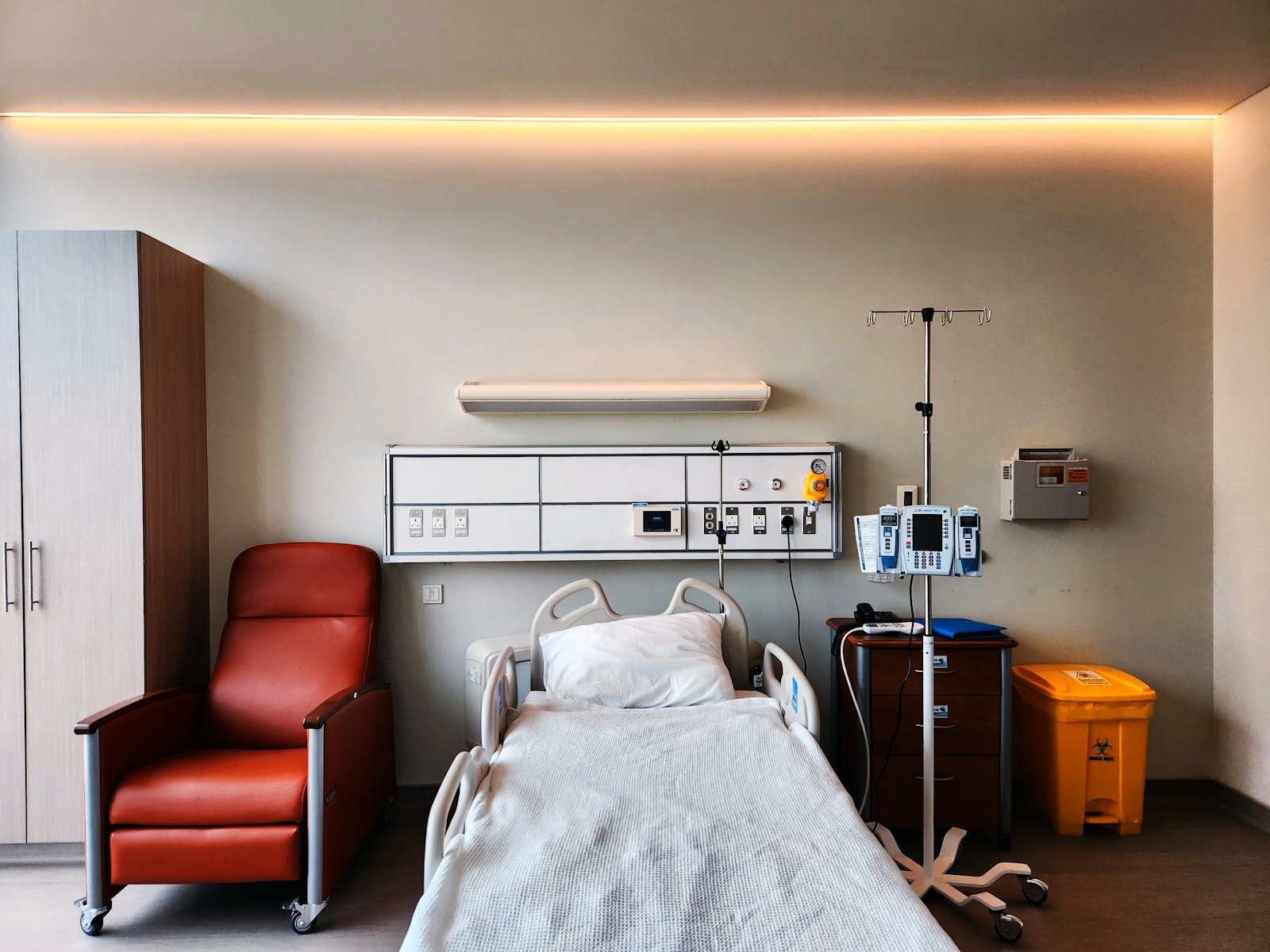
It’s usually given in cycles every 2 to 3 weeks, over 3 to 6 months. Most people have it through a drip in the arm, and some through a port fitted under the skin.
Side effects vary, but often include tiredness, sickness, hair loss, mouth ulcers and a weaker immune system. Most can be managed with anti-sickness medicine and rest, and your team will help.
The cold cap at St Bernard’s, paid for by our donors, greatly reduces hair loss for many people during chemo. Ask your oncologist whether it’s suitable for you.
Radiotherapy
Radiotherapy uses targeted X-ray beams to destroy any cancer cells left after surgery. Most people who have a lumpectomy have it, and some people who have a mastectomy do too.
It’s usually given daily, Monday to Friday, for 3 to 5 weeks. Each session takes a few minutes; most of the time is spent getting you into position.
Side effects are mostly tiredness, and skin that looks and feels sunburnt where you were treated. These usually settle a few weeks after you finish.


Hormone therapy
About 75% of breast cancers are hormone-receptor positive, which means they grow in response to oestrogen or progesterone. For these, hormone therapy lowers the chance of the cancer coming back.
It’s usually a daily tablet, such as tamoxifen, anastrozole or letrozole, taken for 5 to 10 years after the rest of your treatment.
Menopause-like symptoms are common: hot flushes, joint pain, low mood. For most people these ease over time, and your team will help you manage them.
Targeted therapy and immunotherapy
If your cancer is HER2 positive, you may also have targeted drugs such as trastuzumab (Herceptin) for a year. Immunotherapy is used for some specific types. Your team will explain what applies to you.
Coping with side effects
How do I manage chemo tiredness?
Rest when you need to. A short walk most days, even ten minutes, helps more than resting all the time. Accept help with shopping, school runs and cooking. We can put you in touch with a volunteer who has been through it.
What helps with menopause symptoms from hormone therapy?
Talk to your oncologist, because there are non-hormonal medicines that help. A cooler bedroom, lighter bedding, layers, regular exercise and less alcohol all make a real difference. Some people find acupuncture helps.
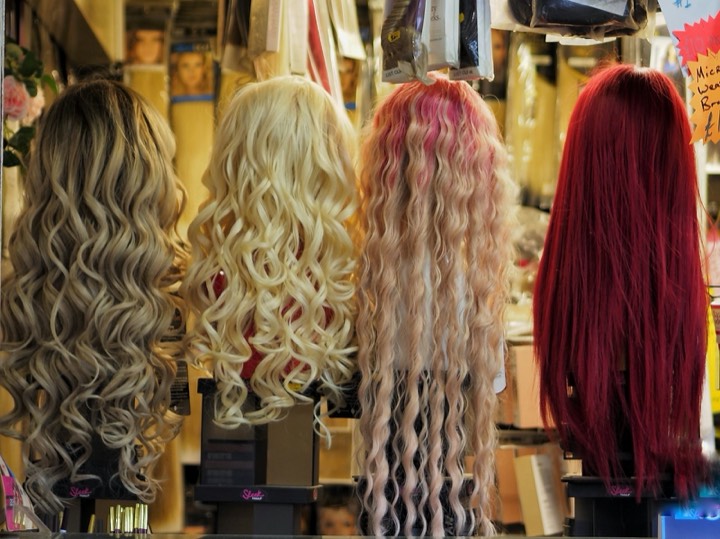
Where can I get a wig in Gibraltar?
We can tell you about local hairdressers who specialise in fitting wigs, and about the wig allowance from the GHA. Call us and we’ll point you to the right person.
My skin is reacting badly to radiotherapy. What helps?
Loose cotton clothes, no perfumed soap, a gentle moisturiser your team recommends, and keeping the treated skin out of the sun. Tell the team about any blistering; they have creams that help.
When can I exercise again?
Sooner than you might think. Gentle walking from the first week. The shoulder exercises your physio gives you start within days. Swimming and weights are usually fine by 6 to 8 weeks, and cardio and pilates help with tiredness and recovery.