- Home
- Information
- Signs and symptoms
Signs and symptoms
Most breast changes aren’t cancer. But it’s worth knowing what to look for, and what to do if something feels different.
5 minute read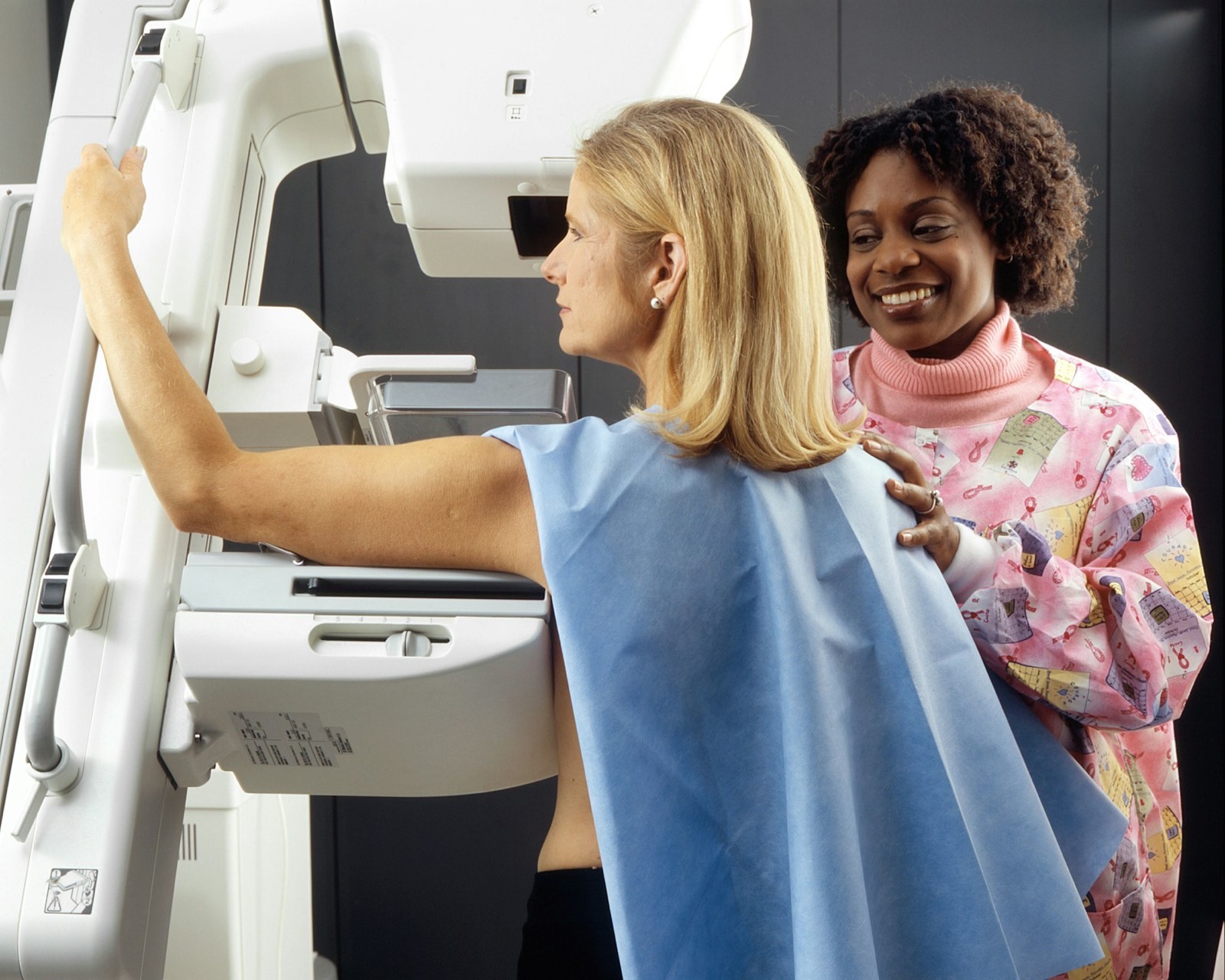

The five signs to look out for
Breast cancer can show up in different ways. These are the changes worth mentioning to a doctor:
- A lump or thickening in the breast, upper chest or armpit that wasn’t there before.
- A change in the shape or size of one breast.
- Skin changes: puckering, dimpling, a rash or redness.
- Nipple changes: a nipple that has pulled in or changed direction, a rash or crusting around it, or unexpected discharge.
- Pain in the breast or armpit that’s there all or most of the time.
Most of these have harmless causes. But if something looks or feels different, get it checked. The earlier breast cancer is found, the easier it is to treat.

Screening in Gibraltar
The GHA offers routine mammograms to women aged 45 to 70. If you’re in that age group and haven’t had an invitation, ring your GP or the Primary Care Centre. Earlier or extra screening is available if breast cancer runs in your family.

Checking yourself
Once a month, in the shower or in front of a mirror. It takes about two minutes.
Look
Stand in front of a mirror with your arms by your sides, then raised, then with your hands on your hips, pressing in. Look for changes in shape, dimpling, rashes, or a nipple pointing a different way.
Feel
With the flat of your fingers, press gently in small circles over the whole breast and up into the armpit. It’s easiest in the shower with soap.
Notice
Get to know what’s normal for you. Breasts are naturally lumpy. You’re not looking for cancer, you’re looking for change.
Questions people ask us
I’ve found a lump. Does that mean I have cancer?
Probably not. Around 9 in 10 breast lumps are benign: cysts, fibroadenomas, or normal breast tissue. You still need to see a GP, because the only way to know for sure is to have it examined.
Aren’t I too young to have breast cancer?
Most breast cancers are found in women over 50, but not all. Women in their 20s and 30s can be diagnosed, and so can men. If something doesn’t feel right, your age isn’t a reason to wait.
Does breast pain mean cancer?
Usually not. Most breast pain is hormonal and changes through your cycle. Pain that stays in one spot and isn’t linked to your cycle should be checked.
How does screening work in Gibraltar?
The GHA offers routine mammograms to women aged 45 to 70. If you haven’t had your invitation and you’re in that age group, ring your GP or the Primary Care Centre. Earlier or extra screening is available if you have a family history.
Should I worry about family history?
If a close relative (your mother, sister or daughter) has had breast cancer, especially before 50, mention it to your GP. They may refer you for earlier screening or genetic testing. Most breast cancer isn’t inherited, but it’s a sensible conversation to have.