- Home
- Information
- Life after treatment
Life after treatment
Everyone tells you treatment ends. Fewer people mention that some things only start when it does: the fear, the questions, a body that doesn’t quite feel like yours. This page is for that part.
6 minute read

Going back to “normal”
In the months after treatment, you might find that:
- your energy hasn’t come back, even though everyone assumes it has
- you feel low, sometimes lower than during treatment
- friends and family stop asking, just when you’d most like them to
- every twinge feels like the cancer coming back
- going back to work is harder than you expected
- relationships feel different, sometimes closer and sometimes harder
None of that is failure. Recovery is slow and untidy.
Going back to work
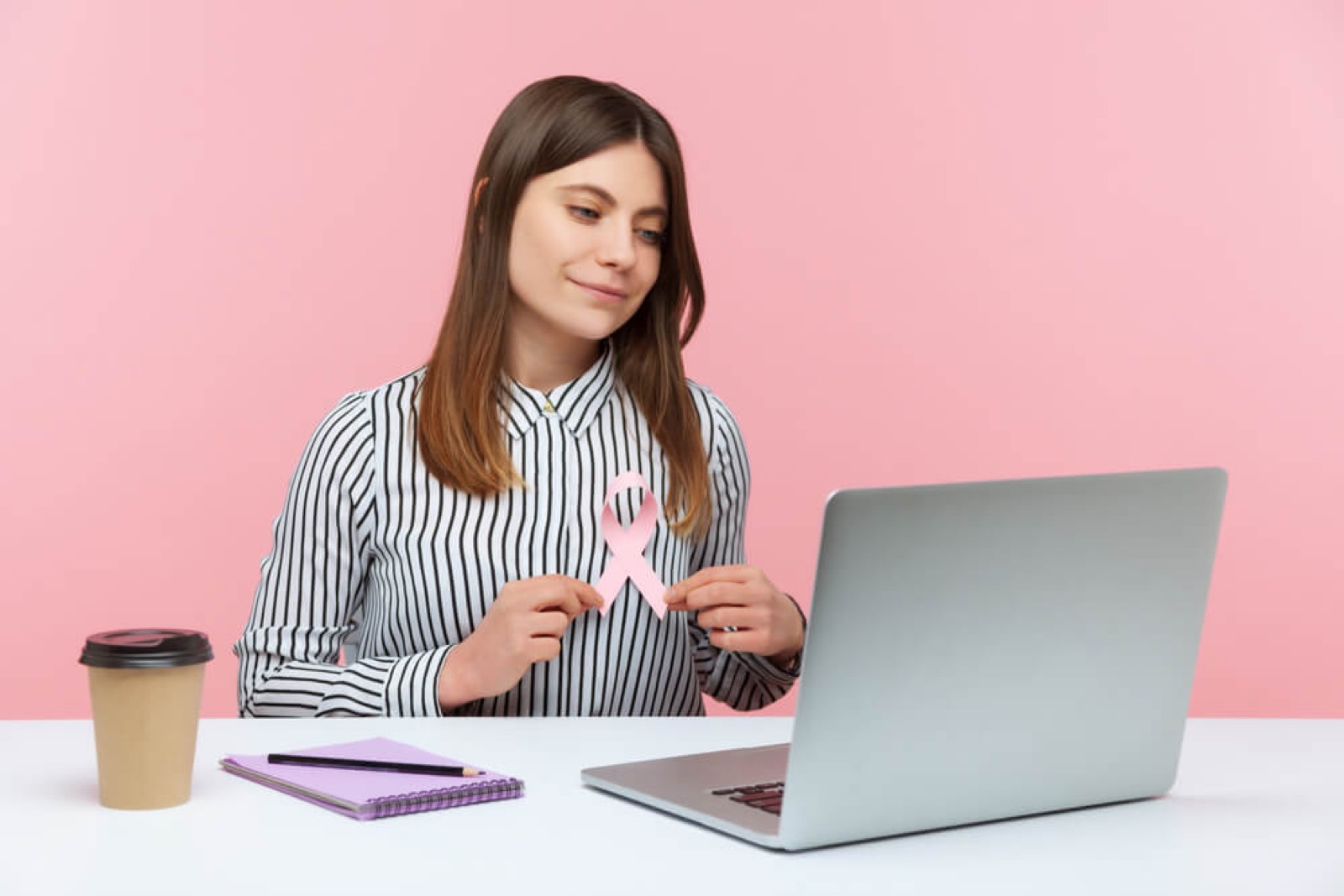
Most people go back part-time at first and build up over weeks or months. There’s no right speed. Your GHA team can write to your employer recommending hours, and we can put you in touch with someone in Gibraltar who has done the same, whether you want to know when to raise the energy question or how to tell your manager about hospital appointments.
Fear of it coming back
For most people the fear is loudest in the first year or two, especially around scans and check-ups, and then it quietens. It rarely goes completely, and that’s okay. Things that help:
- Talking about it, especially with people who understand.
- Knowing the signs to look for, so you don’t have to worry about every twinge.
- Exercise, sleep and mindfulness. Boring, but they work.
- A counsellor, if the fear is getting in the way of your life. We can help you find one.

Your body after treatment
Surgery, radiotherapy and hormone therapy all leave their mark. Some effects are physical, like scars, lymphoedema and joint pain, and some are emotional. A good physiotherapist, a bra that fits (our M&S vouchers can help), gentle exercise and time all make a difference.
Relationships

Partners often have a delayed reaction of their own. Children may want to talk about it months after they seemed fine. Friends may not know what to say. None of this is unusual. Short, honest conversations are worth more than perfect ones.
Looking after yourself from here
Follow-up care
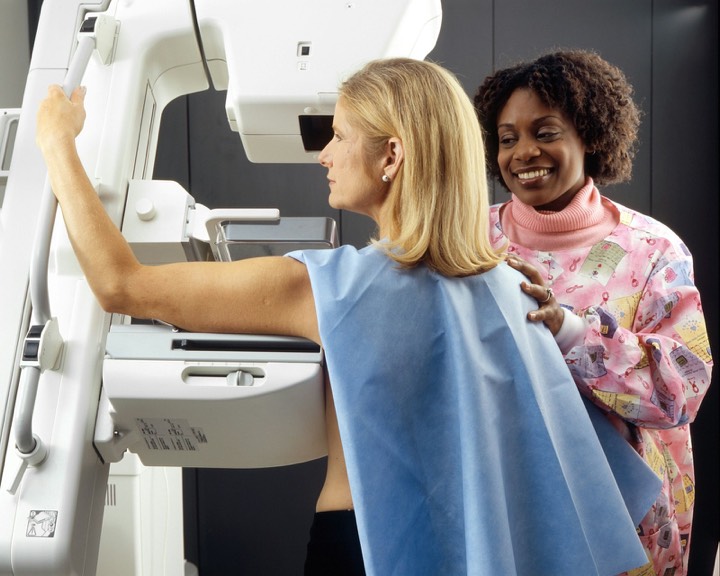
You’ll have regular check-ups, usually a yearly mammogram and oncology appointments, for at least five years. Don’t skip them. Write down anything you’ve noticed before you go in.
Bones and heart
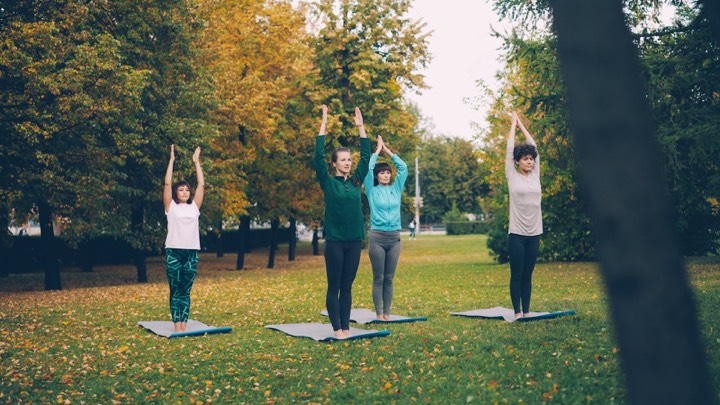
Hormone therapy can affect your bones, and some chemotherapy drugs can affect the heart. Your team will keep an eye on this. Strength training, calcium, vitamin D and regular exercise all help.
Day-to-day habits
Keeping to a healthy weight, staying active and drinking less alcohol all lower the chance of the cancer coming back. Aim for consistency, not perfection.
Stay in touch with us
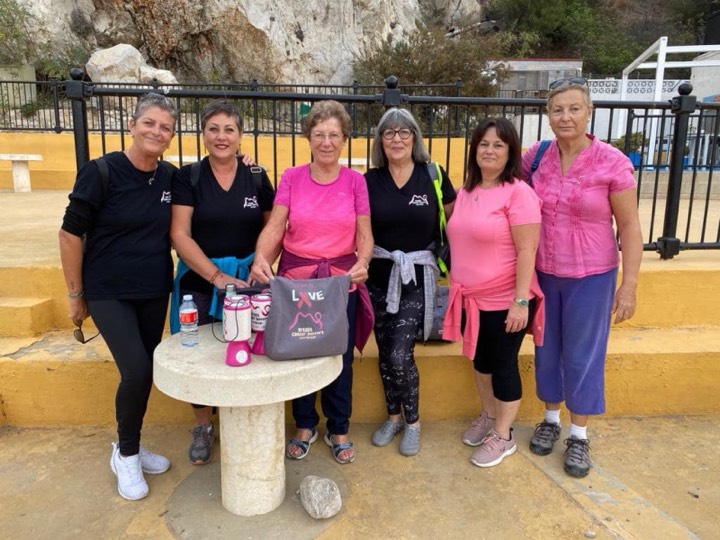
Plenty of people come back to us months or years after treatment ends, for a chat, an event, or a familiar voice. We’ll still be here.